Define the Package First
Start each vent packaging seal review with the real package. List the container material, shape, neck finish, cap, and liner. Add the fill process and storage route. Describe the product medium in plain terms. Say if it is a liquid, powder, or another formula. These facts give a vent packaging seal review a clear base.
Do not select a vent packaging seal from a material name alone. A closure is a system. The cap, liner, container, and medium all affect the questions to ask. A vent packaging seal needs package facts. A broad venting claim is not proof for one finished package.
Map the Pressure Conditions
Pressure change is a key input for a vent packaging seal. A full container may see changes in heat, cold, or altitude. Some product media may also change the pressure inside a package. State what the package may face during filling, storage, and transport. State how long those conditions may last. This makes the vent packaging seal question specific.
Keep the question simple. What must the finished closure manage? Do not assume that a part called breathable answers every pressure question. For a vent packaging seal, check the medium and pressure profile before treating a general barrier statement as the deciding fact. This keeps the review linked to the real use case.
Compare the Available Component Directions
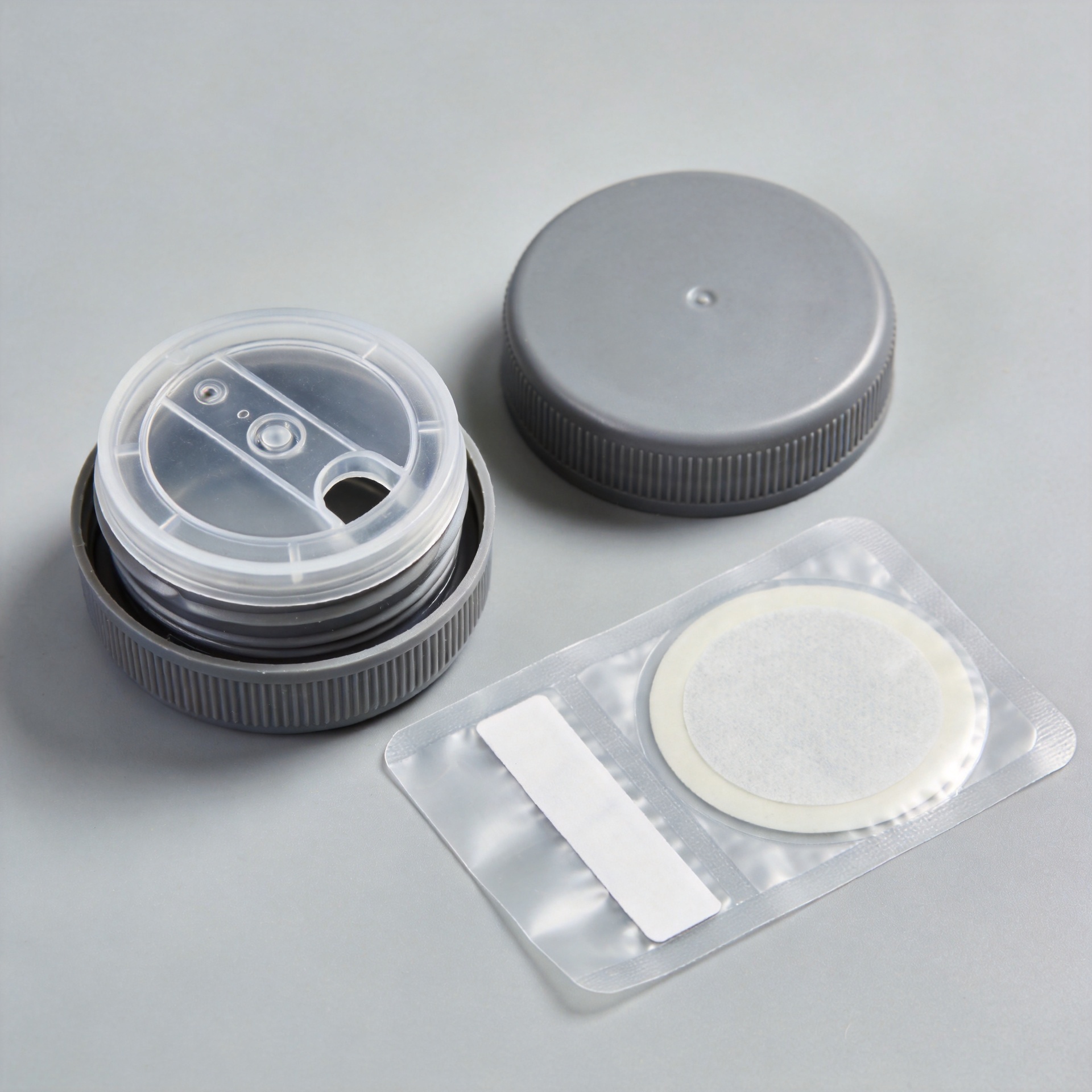
The prepared catalog lists a vent membrane and a Vent PE liner. These give two starting points for a vent packaging seal discussion. They do not remove the need to check the final design. A vent packaging seal drawing should show the physical interfaces before an integration path is chosen.
- A vent membrane discussion can start with the mounting area and the space available in the finished package.
- A Vent PE liner discussion can start with the cap shape, liner seat, and closure compression.
- A vent packaging seal discussion should state whether an induction-seal structure is part of the design.
- A vent packaging seal review should list the drawings and product notes needed before a fit decision is made.
MicroVENT states composite, laminated, and surface-modification approaches in its merchant profile. Those approaches may be relevant when a vent packaging seal is built into a host component. The package drawing must still show how the parts meet. Do not infer a vent packaging seal layout from a product title.
Set Clear Items to Verify
Write down what needs review for the proposed vent packaging seal. This can include the contact area, seal shape, cap material, liner position, and expected pressure changes. Note which facts come from a product record. Mark which points need a package-specific check. This split helps avoid turning a general feature into an unproven result.
Ask for the current product information and available drawings. For a vent packaging seal, a test method or standard needs a scope check before it is used as a choice point. A standard name does not show that a vent packaging seal has been checked for one filled container. Define the package need first. Then agree on the evidence to review.
Send a Useful Inquiry
A clear inquiry helps speed up a vent packaging seal discussion. Send photos or drawings of the container and closure. State the desired vent location. Describe the pressure concern in plain words. Say whether the vent packaging seal project is looking at a vent membrane, a Vent PE liner, or an induction-seal-related closure idea.
Include the container size, cap details, medium, fill method, and expected storage or shipping conditions. The application detail changes the review. The next step is to compare the documented product directions with those facts. A vent packaging seal decision should be based on the enclosure, medium, and use conditions rather than one headline claim.
 EN
 AR
 CS
 FR
 DE
 IT
 JA
 KO
 PT
 RU
 ES
 ID
 VI
 TH
 TR
 MS