Start With the Case
A gore bolt is not a full design brief. Use the search term as a start. First, name the case or device. It may be a lamp, sensor, control box, or other sealed part. Then name the task. The task may be a need for a screw-in vent bolt, a vent plug, or a part to review. A product name does not prove that two parts are the same.
Show the case drawing when you can. Mark the planned hole and the part location. State the wall form and the space on each side. State how the part will be put in. These facts help a team review a gore bolt request. They also help rule out a part that cannot fit the case.
Describe the Air and the Outside Medium
Pressure equalization may matter when the air in a case changes. Heat, cold, travel, and use cycles can change the air in a sealed space. The rate of change matters too. A slow shift and a fast shift are not the same design case. Do not use a general air-flow claim as proof that a part will fit every case.
- State if the pressure change is slow or fast.
- State what causes the pressure change in use.
- State if the case holds lamps, sensors, or other parts.
- State if water, dust, oil, or heat is outside the case.
This short list makes pressure equalization easier to review. It also gives the product team facts that match the real use. A gore bolt discussion is more useful when the case facts are clear.
Check the Mounting Plan
A screw-in vent bolt needs more than a good name match. Check the hole design. Check the thread plan. Check tool access. Check the clear space near the part. Check the order of build steps. A screw-in vent bolt may be a good item to review, but only the drawing can show if the fit works.
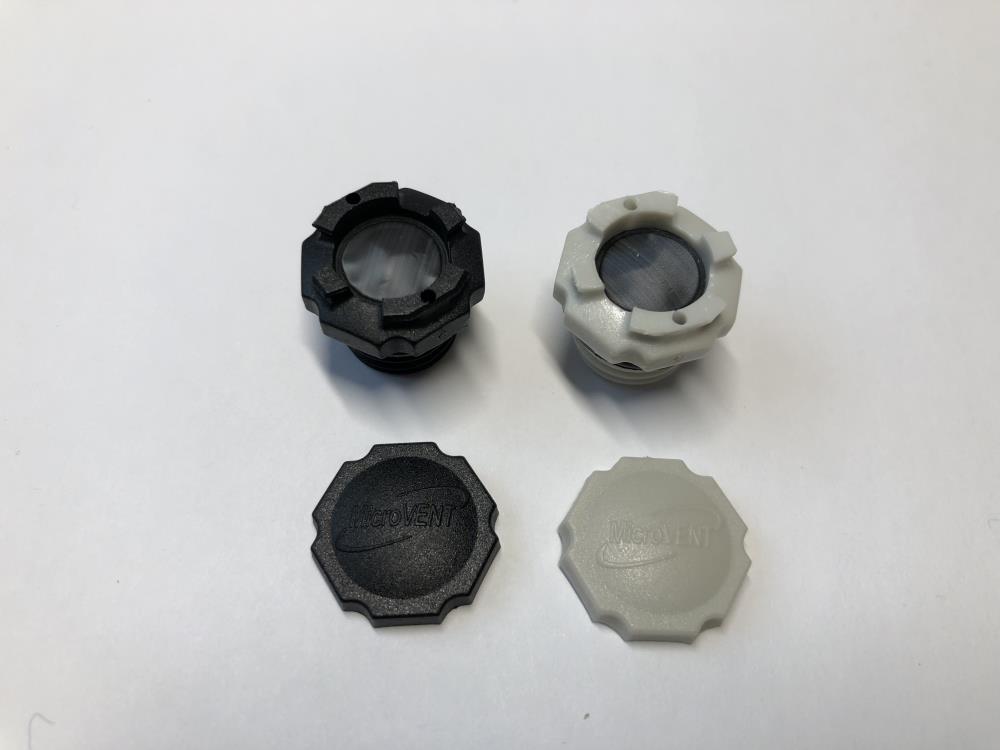
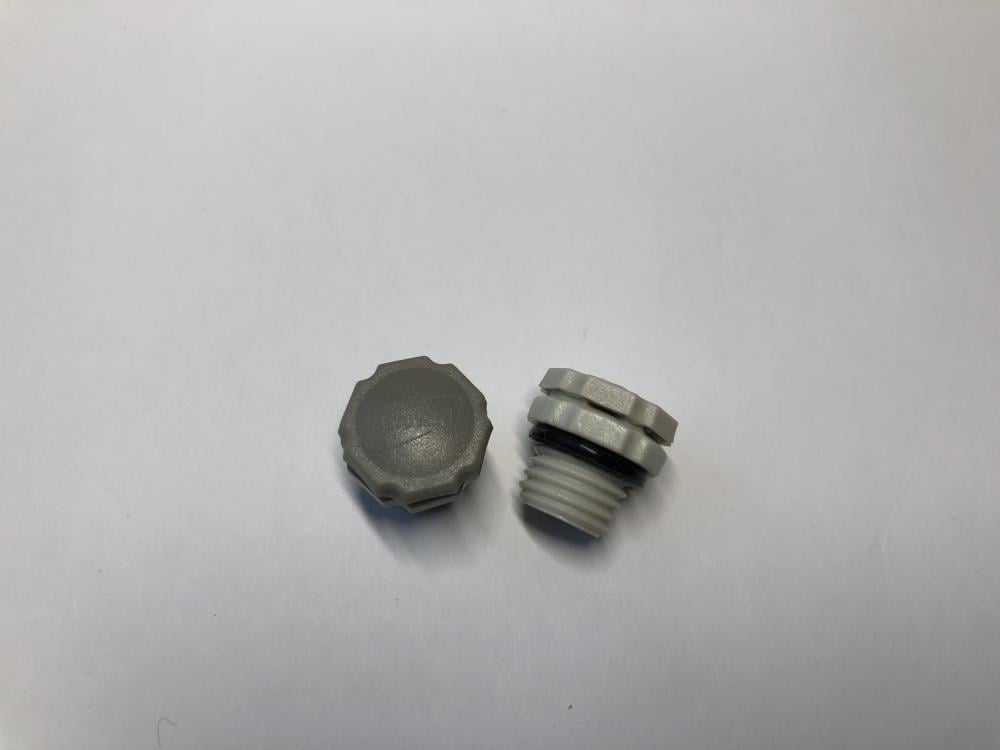
A vent plug can be part of the same product search. It is not an automatic swap for a screw-in vent bolt. The hold method may differ. The hole may differ. The build step may differ. Compare the real part files before you change from one type to the other. This is true for a gore bolt request as well.
Keep Claims Tied to Evidence
MicroVENT states that it has focused on ePTFE work since 1995. Its site also describes composite, laminated, and surface work. These facts can guide a product talk. They do not give a test result for each case. They do not prove a rating for your device. A gore bolt term does not prove brand links, part fit, or use approval.
Ask for the file that is needed for the job. This can include a drawing, a product file, an application record, or a test plan. Keep known facts apart from facts still to check. For a screw-in vent bolt, the hole, use site, and outside medium still need review. For pressure equalization, the case volume and use cycle still need review.
Send a Clear Request
A clear request helps the review move in the right order. Give the case type and the use site. Give the drawing or a photo of the planned hole. State why you are looking at a gore bolt or screw-in vent bolt. State what must stay the same in the current build. State what problem you want to review.
- Send the case drawing and the planned part site.
- State the pressure equalization condition in plain terms.
- Name the catalog item you want to start with.
- List the files or checks your project needs.
That set of facts supports a focused review. It does not assume that one gore bolt term gives a final answer. It lets the team compare the Screw-in Vent Bolt, screw-in bolt, and vent plug against the actual device.
 EN
 AR
 CS
 FR
 DE
 IT
 JA
 KO
 PT
 RU
 ES
 ID
 VI
 TH
 TR
 MS