High-Performance Air Vent Plugs - Advanced Pressure Control Solutions for Industrial Applications

All Categories

Get a Free Quote

Our representative will contact you soon.
Email
Name
Company Name
Message
0/1000

air vent plug

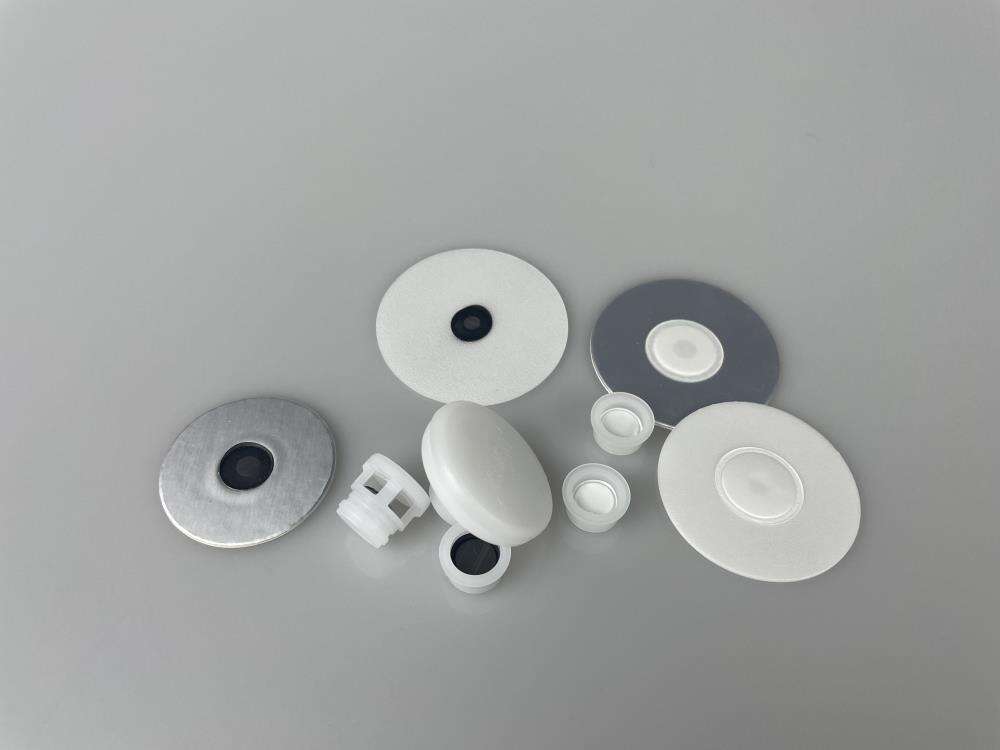
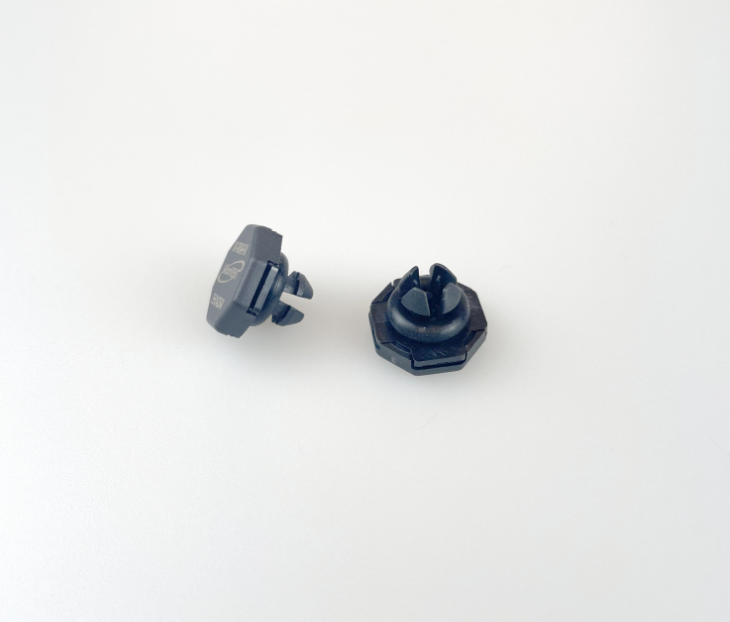
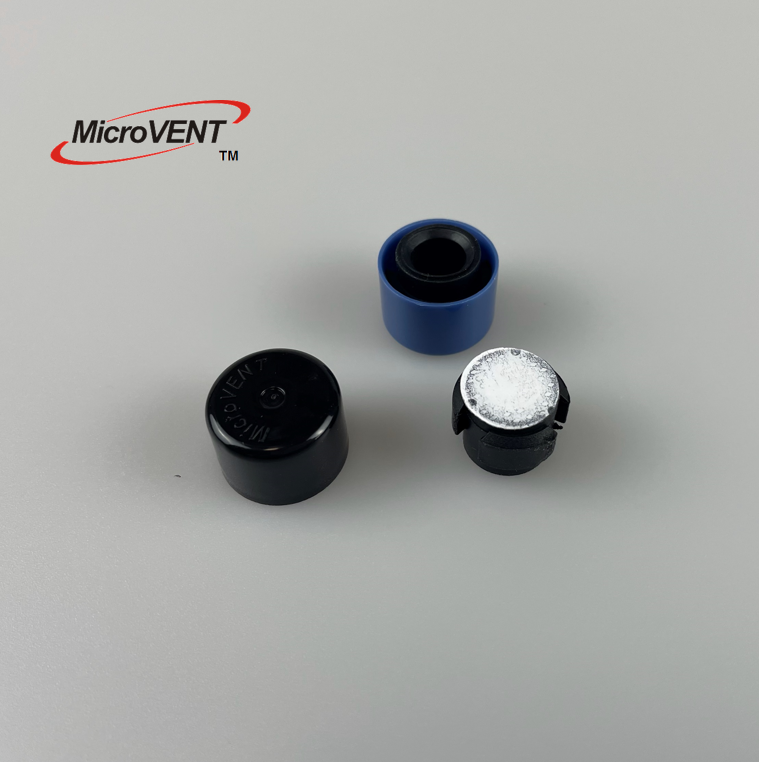
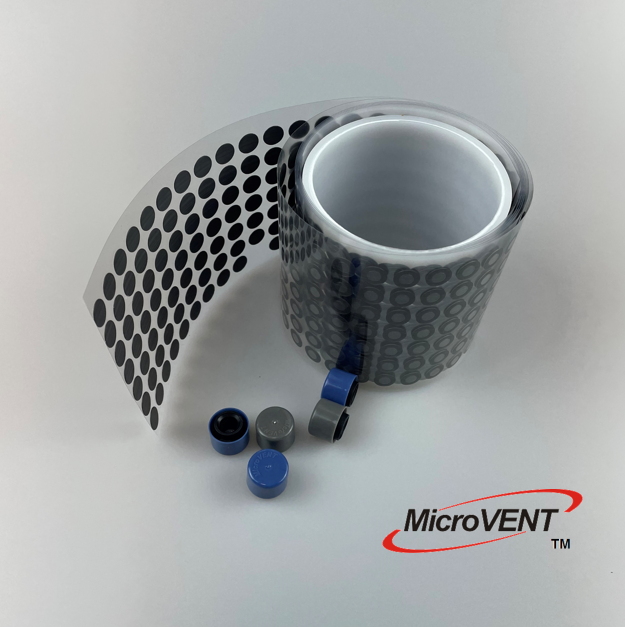
An air vent plug is a specialized mechanical device designed to control airflow within various systems and installations. This innovative component serves as a critical element in maintaining optimal pressure balance, preventing contamination, and ensuring efficient operation across diverse applications. The air vent plug functions as a controllable barrier that can either permit or restrict air passage through ventilation systems, ducts, or enclosed spaces. Its primary purpose involves regulating atmospheric pressure differences while maintaining system integrity and performance standards. The device typically features a robust construction that withstands environmental challenges and operational demands. Modern air vent plug designs incorporate advanced materials that resist corrosion, temperature fluctuations, and mechanical stress. The plug mechanism operates through various activation methods, including manual adjustment, automatic response to pressure changes, or remote control systems. Key technological features include precision-engineered sealing components that ensure airtight closure when activated. The internal mechanism often utilizes spring-loaded or valve-based systems that respond to predetermined pressure thresholds. Many contemporary models incorporate smart sensors that monitor environmental conditions and adjust the plug position accordingly. The air vent plug construction typically involves durable materials such as stainless steel, high-grade plastics, or specialized alloys that maintain structural integrity under challenging conditions. Surface treatments and coatings enhance longevity and performance in corrosive environments. Installation flexibility represents another significant feature, with standardized mounting configurations that accommodate various system requirements. The device integrates seamlessly with existing infrastructure while providing reliable long-term operation. Applications span numerous industries including HVAC systems, industrial processing facilities, marine installations, and automotive applications. The air vent plug proves essential in maintaining system efficiency, preventing pressure-related damage, and ensuring optimal operational conditions across these diverse environments.

Popular Products

The air vent plug delivers substantial operational benefits that directly impact system performance and maintenance costs. Primary advantages include enhanced pressure regulation that prevents system damage caused by excessive pressure buildup or vacuum conditions. This protection mechanism extends equipment lifespan significantly while reducing repair and replacement expenses. The device provides immediate response to pressure changes, automatically adjusting to maintain optimal conditions without manual intervention. This automation reduces labor costs and ensures consistent system performance regardless of external conditions. Energy efficiency improvements represent another major advantage, as proper airflow control reduces unnecessary energy consumption in heating, cooling, and ventilation systems. The air vent plug optimizes energy usage by preventing air leakage and maintaining desired pressure levels with minimal power requirements. Installation simplicity offers significant cost savings during initial setup and future maintenance procedures. Most units feature straightforward mounting systems that require basic tools and minimal technical expertise. This accessibility reduces installation time and associated labor costs while ensuring reliable connection to existing systems. Durability stands as a key benefit, with quality air vent plug designs providing years of reliable service with minimal maintenance requirements. Robust construction materials resist wear, corrosion, and environmental damage that typically affect mechanical components. The low maintenance profile translates to reduced operational costs and improved system reliability. Versatility enables single product solutions across multiple applications, reducing inventory requirements and simplifying procurement processes. Standardized designs accommodate various system configurations while maintaining consistent performance characteristics. Safety improvements result from controlled airflow that prevents dangerous pressure conditions and reduces contamination risks. The air vent plug acts as a barrier against external contaminants while maintaining necessary ventilation for safe operation. Cost-effectiveness emerges through reduced energy consumption, lower maintenance requirements, and extended equipment lifespan. The initial investment in quality air vent plug systems typically generates substantial long-term savings through improved efficiency and reduced operational expenses. Reliability ensures consistent performance under varying conditions, providing peace of mind and reducing unexpected system failures that disrupt operations and generate emergency repair costs.

Latest News

What Are the Different Types of MicroVENT®Acoustic Vents Available?

21

May

What Are the Different Types of MicroVENT®Acoustic Vents Available?

Understanding MicroVENT® Acoustic Vent Technology Core Principles of ePTFE Membrane Design The expanded Polytetrafluoroethylene (ePTFE) membrane is recognized for its remarkable porosity, making it an ideal material for acoustic vent application...
View More
What Are the Benefits of Using MicroVent®️ ePTFE Membranes in Medical Devices?

25

Jun

What Are the Benefits of Using MicroVent®️ ePTFE Membranes in Medical Devices?

Unique Properties of ePTFE Membranes in Medical Technology Microporous Structure for Selective Permeability The distinctive microporous of ePTFE membranes allows for selective permeable , it permeates gases only and is resistant to liquid conta...
View More
What is MicroVent®️ ePTFE membrane, and what are its uses?

25

Jun

What is MicroVent®️ ePTFE membrane, and what are its uses?

Understanding MicroVent® ePTFE Membrane Technology Material Composition and Microporous Structure MicroVent® ePTFE membranes are renowned for their highly distinctive microporous structure, which plays a crucial role in their functionality. ...
View More
How to choose the right MicroVENT® screw-in vent bolt for your vehicle lamps project?

18

Jul

How to choose the right MicroVENT® screw-in vent bolt for your vehicle lamps project?

Selecting the Ideal Venting Solution for Automotive Lighting Understanding the Role of Vent Bolts in Vehicle Lamps Modern vehicle lamps have evolved beyond simple illumination tools. They now feature intricate LED modules, sensors, and thermal manag...
View More

Get a Free Quote

Our representative will contact you soon.
Email
Name
Company Name
Message
0/1000

air vent plug

Advanced Pressure Control Technology

Advanced Pressure Control Technology

The air vent plug incorporates sophisticated pressure control technology that revolutionizes traditional airflow management systems. This advanced mechanism utilizes precision-engineered components that respond instantly to pressure variations, maintaining optimal system conditions without manual intervention. The technology employs sensitive pressure sensors that continuously monitor internal and external pressure differentials, triggering automatic adjustments when predetermined thresholds are reached. This intelligent response system prevents dangerous overpressure conditions that could damage equipment or compromise safety. The air vent plug design features multiple pressure release stages that provide graduated response to varying pressure levels. Initial stages handle minor pressure fluctuations through controlled micro-venting, while higher pressure conditions activate full release mechanisms. This staged approach ensures system protection while maintaining operational efficiency. The technology integrates seamlessly with existing control systems, providing real-time feedback and status monitoring capabilities. Advanced models feature digital interfaces that display current pressure readings, system status, and maintenance alerts. Remote monitoring capabilities enable centralized control of multiple air vent plug installations across large facilities. The pressure control mechanism operates reliably across extreme temperature ranges and environmental conditions, maintaining consistent performance regardless of external factors. Specialized sealing materials ensure airtight closure under normal conditions while providing reliable release when needed. The technology includes fail-safe features that default to safe positions during power failures or system malfunctions. Calibration procedures allow customization of pressure thresholds to match specific application requirements. This flexibility accommodates diverse system needs while maintaining standardized installation procedures. The advanced pressure control technology significantly reduces maintenance requirements compared to traditional mechanical systems. Self-diagnostic capabilities identify potential issues before they impact system performance, enabling proactive maintenance scheduling. The technology also incorporates wear indicators that signal when replacement or service is required, preventing unexpected failures.
Superior Material Construction and Durability

Superior Material Construction and Durability

The air vent plug construction utilizes premium materials specifically selected for exceptional durability and long-term performance in demanding environments. High-grade stainless steel components provide outstanding corrosion resistance while maintaining structural integrity under extreme pressure conditions. The material selection process considers factors including chemical compatibility, temperature resistance, and mechanical strength to ensure optimal performance across diverse applications. Specialized alloys used in critical components offer enhanced fatigue resistance and extended service life compared to standard materials. The air vent plug housing features robust construction that withstands impact damage and environmental stress without compromising functionality. Surface treatments include advanced coatings that provide additional protection against corrosive substances and harsh weather conditions. These protective layers maintain appearance and functionality throughout extended service periods while reducing maintenance requirements. Internal components utilize precision-machined parts that ensure smooth operation and reliable sealing performance. Quality control procedures verify material properties and dimensional accuracy throughout manufacturing processes. The construction design incorporates redundant sealing systems that provide backup protection if primary seals experience wear or damage. This multi-layer approach ensures continued operation even under challenging conditions. Gasket materials are selected for specific applications, providing optimal sealing performance while resisting degradation from chemicals, oils, and extreme temperatures. The modular construction approach enables easy replacement of individual components without complete unit replacement, reducing maintenance costs and downtime. Assembly procedures utilize advanced joining techniques that create permanent bonds resistant to vibration and thermal cycling. The air vent plug design accommodates thermal expansion and contraction without compromising sealing integrity or operational performance. Testing protocols verify construction quality through extensive durability trials that simulate years of service conditions. Quality assurance procedures ensure every unit meets stringent performance standards before shipment. The superior construction translates to reduced total cost of ownership through extended service life and minimal maintenance requirements.
Versatile Installation and Integration Capabilities

Versatile Installation and Integration Capabilities

The air vent plug offers exceptional versatility in installation configurations and system integration, making it suitable for diverse applications across multiple industries. Standardized mounting interfaces accommodate various pipe sizes and connection types without requiring custom adapters or modifications. This universal compatibility reduces procurement complexity and ensures consistent installation procedures across different system configurations. The design incorporates flexible positioning options that allow optimal placement regardless of space constraints or accessibility limitations. Threaded, flanged, and welded connection options provide installation flexibility while maintaining secure attachment to existing infrastructure. The air vent plug mounting system distributes stress evenly across connection points, preventing damage to surrounding components during installation or operation. Quick-disconnect features enable rapid removal for maintenance or inspection without disrupting entire system operations. Installation procedures require only basic tools and standard techniques, reducing complexity and training requirements for maintenance personnel. Comprehensive installation guides provide detailed instructions with visual aids that ensure proper setup and optimal performance. The air vent plug design accommodates both new construction and retrofit applications with equal effectiveness. Compact dimensions minimize space requirements while maintaining full functionality in confined installation areas. Orientation flexibility allows horizontal, vertical, or angled mounting positions without affecting operational performance. The integration capabilities extend to various control systems through multiple interface options including pneumatic, hydraulic, and electronic connections. Communication protocols support integration with building management systems, SCADA networks, and other centralized control platforms. The air vent plug can operate as a standalone device or as part of larger automated systems depending on application requirements. Modular expansion capabilities enable system growth without requiring complete redesign or replacement of existing components. Compatibility testing ensures reliable operation with common system components and control devices. The versatile design accommodates special requirements through customizable features that maintain standard installation procedures. Field-adjustable parameters allow fine-tuning of operational characteristics without requiring factory modifications. This adaptability ensures optimal performance across varying environmental conditions and operational demands while maintaining installation simplicity and reliability.

Get a Free Quote

Our representative will contact you soon.
Email
Name
Company Name
Message
0/1000